I make a Chingri Macher (prawn) Malakari (curry with the cream of coconut) with lobsters this size only once a year. And I never do anything different with the recipe. The scope remains very little when its just perfect.
 Lobsters and prawns are revered by Bengalis. Probably second only to Iilish (Hilsa), or maybe in the same league. Interestingly so, the way a Chingri Macher Malaikari (or Curry) is made in Bengali homes has variance because of the region you belong to - Dhaka to Chittagong to Calcutta! But they all have the two key ingredients – prawns and coconut.
I first made my Chingri Macher Malaikari when I was 16! My Mum made it when she was 13. The bar in the kitchen of my parents’ home was very high, and I always aimed to compete with my Mother. To better what she made best!
Yesterday was a perfect day to make this quintessential Bengali dish. The Bengali New Year or Poila Boishakh (Pôela Boishakh) also officially announces the beginning of Summer, a time for harvests and happiness. I wanted to shake off the feeling of being homesick and start off on a new beginning this year…doing it up family-style!
It was a four-course meal (if I add up the two bhajas I made) – the traditional Chingri Macher Malaikari, Chholar Daal (chana dal with little pieces of coconut), Kudkude Alu Bhaja (crispy fried potatoes) and Uchche Bhaja (fried karela) served with pearly Basmati rice.
I will concentrate this post only to the recipe of the Lobster Malaikari today. Ingredients for which are:
2 lobsters (deveined, cleaned, and head on)
Half cup freshly puréed tomato
2 tablespoons ginger paste
Half cup red onion paste
One cup coconut paste
Half a can of coconut milk
1 teaspoon turmeric powder
2 teaspoons red chili powder
2 tablespoons ghee
2-3 green cardamoms
1-2 black cardamoms
1 stick of cinnamon
2-3 bay leaves
3-4 cloves
Sugar
Salt
We Bengalis believe that apart from being loaded up with flavors, the heads of fish (and crustaceans) also contribute to a person’s IQ, and since I am so intelligence-impaired, I kept the heads of the lobsters intact. Of course my fish monger cleaned it up for me. 
 I began with the daunting task of cracking a coconut up and scraping the brown skin off it. The coconuts (from Mexico) here do not have much flavor and are hardly sweet. So I used some tender coconut as well. My ratio was half cup of young coconut and the other half came from the coconut. I made a paste with both of them in my blender on the pulse mode to get that right texture.
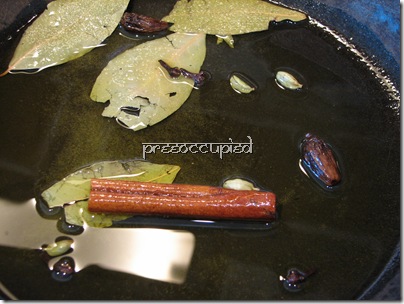
 Next, heat the ghee in a pan and add the whole spices – bay leaves, cinnamon, cloves, and cardamoms. Here is a tip, add a pinch of sugar and let it caramelize. Now add the onion paste, it will instantly get an amazing color to it. Fry the onion paste on low heat till it gets a golden brown color. That’s when you add the puréed tomatoes, grated coconut and the ginger paste.


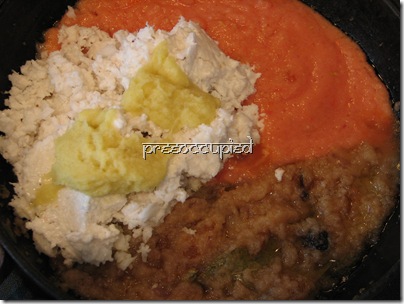 All the cooking for the Malaikari has to be done on low-medium heat. Ingredients like coconut and onions can get easily burnt, and start tasting bitter, which we don’t want. Keep frying the mixture of all these ingredients till they mix well with each other. Add the red chili powder and turmeric to add more character and color to the gravy.
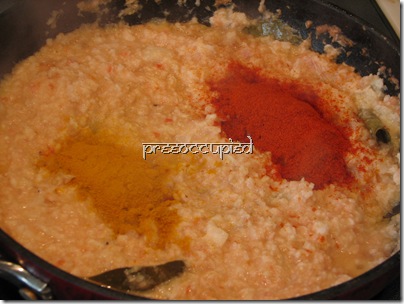
 Once you see that the ingredients are well cooked, add the can of coconut milk. At this point in time, you can crank up the heat. Boil the coconut and spice gravy till the raw taste is gone. Season with sugar and salt. Yes, the traditional Malaikari is on the sweeter side.
 Gently release the lobsters in the gravy, and cook for at least 15-20 minutes so that all the juices get into the lobsters and the crustaceans in turn release all their delicious flavors.
 At this point in time, you might want to adjust the balance of sugar and salt. Simmer and cook lobsters in the coconut milk and spices till you see the lobster shells have got a nice red color on to them. The coconut-based gravy will also have a silky sheen to it.
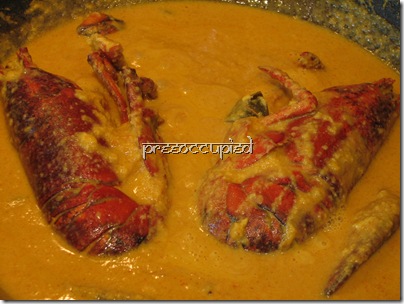 No garnish and no finishing details needed. This Lobster Malaikari is a definite centerpiece of any Bengali meal.
 Though we started off on a bitter note with the Uchche Bhaja…
 Followed by an all-time favorite – Chholar Daal with little pieces of coconut, slow cooked and tempered with ghee and cumin seeds.
 And you don’t have to be a four-year-old to enjoy the crunchiness of these fried potatoes – Alu Bhaja!


 P’s (and my own) patience was soon running out with all this food photography and we gave up on any remaining etiquette whatsoever and dived right in.
Isn't eating is the best thing about cooking?!
 Hope you had a good and hearty Poila Boishakh too.