Showing posts with label bengali recipes. Show all posts

Sunday, April 10, 2011

Mete Chorchori, Quick Liver Stir-fry, the Bengali Way

I was a very thin kid. I have photographic evidence to prove it. Like most mother’s of the previous generation, mine too thought that a chubby kid is a healthy kid. Mine, a first-time mother at 25 took things in her own hands and started with a project of her own – liver juice for her toddler (me). She thought she could transform a scrawny kid and add blobs of protoplasm by feeding me spoonfuls of raw liver juice. Liver – a storehouse of nutrients is indeed good when it comes to  proteins, vitamins and also packed with saturated fat.

But then raw liver juice revolted with my highly developed palate (at three years), and I would vehemently refuse to have it. Not surprisingly, what did go down well with me was this spicier version of Mete Chorchori for adults.

IMG_1903This is the first time in many years that I have cooked liver. And mostly out of taste memory of how my Mother does it. It was too late to call India and wake Mum up. So I went ahead and did it sans her long-distance help.

Ingredients for Mete Chorchori are:

300 grams liver (I only use kid goat’s)
1 medium onion, finely chopped
5-6 baby potatoes, peeled (use 1-2 regular, cubed if you don’t have them)
1 tablespoon green chili paste
1 tablespoon ginger paste
1 tablespoon garlic paste
Half tablespoon black pepper powder
1 teaspoon turmeric powder
Half teaspoon garam masala, coarsely ground (I used cardamoms, cloves, cinnamon, and nutmeg)
1-2 bay leaves
3-4 tablespoons mustard oil
Salt

Cut the liver into bite-size pieces. My butcher had thrown in a heart too, which you can see in this picture.
IMG_1887 IMG_1889 
In a bowl, mix together the liver pieces, green chili, ginger and garlic paste, turmeric, and a couple of tablespoons of mustard oil. Keep for an hour.
IMG_1891 
Heat the remaining oil in a thick pan and sauté the potatoes till they are lightly browned. Remove with a slotted spoon.
IMG_1897
In the same oil, throw in the bay, coarsely ground garam masala and the chopped onions.
IMG_1893 IMG_1898On medium heat, sauté the onions till they are golden-brown. With the spatula you are cooking, line the onions to the sides and expose the pan’s base. Now add the marinated liver and turn the heat up to high.

IMG_1899 Its important you cook the liver on high heat so that it gets browned nicely. Keep stirring continuously so that the wet spices do not stick to the pan. Once the liver is lightly browned, introduce the potatoes.

IMG_1900 Add the black pepper powder and keep frying everything.
IMG_1901
Towards the end, I did cover the pan to turned the heat on low to cook the potatoes. This should be done for about five minutes. Add salt and check the taste. Remove from heat.

IMG_1905 The Mete Chorchori is now ready to be eaten with phulko ruti or paratha.

IMG_1904

Monday, March 14, 2011

Maacher Muro Diye Mugger Daal

We are not a family of werewolves. We are Bengalis. A community which is known to eat fish in all its forms and with all its parts. Including the coveted head.

IMG_1469
Maacher Muro
with Mugger Daal is a big fish head (usually Rohu or Katla) cooked with yellow mung dal. Its a wedding and special occasion tradition.

My father taught me how to work my way into a fish head. The process is meticulous and requires some patience. The eyes and the brain of the fish are the most sought after. They say those are the best parts of the fish head, good for eyesight and the brain. That explains all the Bongs out there with exponentially celestial cerebral equity. Its the fish head, I tell you!

This recipe is my Mother’s of course, and I have re-created it in my kitchen out of greed. That insatiable desire to dunk my hand into a bowl of dal and fish out (pun definitely not intended) a big piece of the head.

IMG_1484 Just as the Muro Diye Mugger Daal is here, brimming with flavors and the taste like that from an outside world, I am reminded of a little story my Father always loves to narrate. How he never got a chance to eat the Maacher Muro in his wedding feast. Reason? He was too shy to break into the big fish head when my Mum’s relatives laid out the feast for the new groom. And some benign lady apparently in some kind of hurry, thought it was wise not to embarrass the notun bor with a fish head and took the big Rohu muro away while my Father looked at it longingly. This happened exactly 36 years ago, but the vividness with which he re-tells this incident is still fresh and funny!

Ingredients for Maacher Muro Diye Mugger Daal are:

For the fish head:

1 big fish head (Rohu or Katla) cut into half, cleaned and washed
1 teaspoon turmeric powder
Quarter cup mustard oil
Salt

IMG_1470 IMG_1472 IMG_1475 Smear the head with the turmeric and salt. Heat the oil until smoking and fry the fish head – about 3-4 minutes on each side. Remove with a slotted spoon and keep.

For the dal:

1 cup yellow mung dal
2 tablespoons ginger paste
4-5 green chilies, slit lengthwise
1 teaspoon heaped red chili powder
1 teaspoon heaped turmeric powder
3-4 bay leaves
2-3 black cardamoms
2-3 green cardamoms
1 stick of cinnamon
5-6 cloves
3-4 tablespoons desi ghee
Sugar
Salt

IMG_1476

In a pressure pan, dry roast the dal till golden brown. Do this on low-medium heat and babysit the dal so that it doesn’t burn. Remove and keep aside.IMG_1479

IMG_1480 In the same pan, heat the ghee and add the bay, cardamoms, cinnamon, cloves and the green chilies. Sauté for a couple of minutes and add the dry-roasted dal.

IMG_1481 Mix the dal well with the whole spices and the ghee. Add the ginger paste, turmeric and red chili powder.

IMG_1482 On medium heat, mix together all the ingredients. Add the fried fish head and mix again. Let this cook for about 3-4 minutes till the fish head starts disintegrating into the dal and spices.

IMG_1483 Use your spatula to give the fish head a helping hand. Add two – three cups of water and simmer. Season with sugar and salt.

Cook the dal till done, but not mushy. I would say about 15-20 minutes, covered all the time. If you see the water drying up too soon, add some more.

IMG_1485 This dal will not be runny and have a thick consistency, more so because of the fish head added to it. The head would have now broken down quite a bit and you will see it mixed well with the dal and spices. Do a taste test and add sugar and salt if needed.

IMG_1490 The Maacher Muro Diye Mugger Daal usually starts a lot of meals. Serve it with rice, crispy alu bhaja, and a wedge of Gondho Lebu and you will have a meal fit for a queen or a king! Follow it up with this or this. A meal like this usually ends with a bowl of chilled Payesh.

Thursday, January 06, 2011

How Pabda Got Discussed, Got Cooked, and Got a Life

I am amazed and humbled, both at the same time how one little question can bring a veritable treasure trove of family recipes tumbling down from nooks and corners of the world. I am talking about several Pabda (Butter Catfish) recipes that readers and friends of PreeOccupied shared today. All I can do is, assure you that it will take you many Pabda sojourns to be able to make all of these recipes. I am so glad I am able to share them with you today. IMG_0482
Mala Ray Chatterjee
of Hyderabad, India, shared a simple jhol with kalo jeere (Nigella seeds), green chilies cooked in a gravy of turmeric, salt and some freshly chopped coriander. I had all the ingredients at home and so I went on to make Mala’s Pabda Maacher Jhol. The only change I did make was to add a little grated ginger to my jhol and added red chili powder too the thin gravy of turmeric and salt where the fish got dunked in. IMG_0491IMG_0497
Subharsee Basu
of Bombay was confident that adding a clove of garlic to the mustard paste base would take the taste of the Pabda Maach a notch or two above the ordinary.

IMG_0486IMG_0488
Purba Mitra
suggested a phoron of Nigella seeds and green chilies in hot oil to start with, followed by the fish to be cooked in a sauce made of yellow mustard seeds and poppy seeds. Adding fresh coriander in the end is a necessity – both flavor-wise and aesthetically. IMG_0494
While Amarnath Chatterjee of Japan who calls his recipe of Pabda, Dum ki Machili typed out a detailed recipe I am copy-pasting here: Try a yogurt, green chili paste thing....sauté some cloves, one black cardamom with some caraway, add ground onion paste, brown, add ginger garlic, fry, add holud, red chili powder then add 1- 2 cups yogurt and 8-10 green chilies turned paste, cook till thickish, slip in the fish, simmer uncovered till done...IMG_0496
Pritha Dutta
of Delhi who had once shared her Mother’s stuffed Kankrol recipe had another ace up her sleeve. She bowled us over with her Mother’s un-patented Tomato Pabda. Here is the recipe: Shallow fry the fish. For a kilo of pabda, you will need about two tablespoons of onion paste, one teaspoon each of green chili, ginger and garlic paste, two bay leaves, 3-4 cloves, 3-4 large ripe tomatoes, ghee and Bengali garam masala. Blanch the tomatoes in hot water, remove skin and grind into a paste. Heat ghee, add bay leaves and cloves, onion, green chili, ginger and garlic pastes. Once the masala starts to leave the sides, add tomato paste, salt and sugar to taste, garam masala and some water. Add the fish, cook covered for about 3-4 minutes. Gently turn the fish. Cook for another minute, remove from heat. Garnish with slit green chilies. Serve with steaming fluffy white rice.

Ronita Biswas adds that adding a little drizzle of raw mustard oil (kancha shorsher tel) to the cooked Pabda Maach curry adds a whole lot of zing to the dish. Point noted, Ronita.

Prem Chowdhury of Virginia, USA, recounted how his Dida taught him a Paturi recipe with Pabda. He adds that the recipe just has onions and red chilies and is lip smacking good. One day soon, we will have Prem write out his Grandmother’s gem. And cook it too.

IMG_0490

Two ladies by the same name answered the Pabda calling, both painstakingly detailed out their respective recipes.

Sumana Sen-Bagchee of Edmonton, Canada, whose aunt’s bitter gourd recipe was an instant hit with the readers of my Blog has this to say: Pabda can be done very simply too--with kalo jeerey or panch phoron. Lightly fry the fish if they are frozen. Mix in a small owl halud-dhoney and lanka powder with some water. After adding phoron and kancha lanka to the oil pour in the liquid, carefully, thin it if needed, let it come to a boil, add a few pieces of chopped tomatoes, cook a while covered. Salt it, Slip in the fish when the gravy looks nicely cooked, the tomatoes married, add some grated ginger, cover and cook till fish are cooked. Sprinkle a little mustard oil, my mojo for all Bengali food, sprinkle with chopped coriander. My mom-in-laws recipe: Pabda from Pabna.

Sumana Raychaudhuri of Maryland, USA, says her favorite Pabda recipe is a simple curry made with ginger and green chili paste. Here is her recipe: pre-frying the fish is optional.
Soak two inches of fresh ginger (after peeling) and three red chilies (for 5-6 medium size fish) in water for few hours and make a coarse paste with the same water. Soak two large tomatoes in hot water and remove the peel. Now make a smooth paste with ginger-red chili-tomato. Heat oil, add kalo jeera, green chili and the ginger-red chili-tomato paste. Add salt and turmeric. Boil once, add the fish and wait till the fish gets cooked. Garnish with dhonepata.

IMG_0501
The conversation around Pabda Maach had just begun…

With so many recipes shared and discussed over a period of less than a few hours, I was left confused and lusting for all of them. I chose one and got inspired by the rest of them. I shall leave you now with the pictures from my kitchen on this unique Pabda journey. I know you will get this silver-colored buttery fish the next time you are in a maacher bajaar, and cook at least one of these little gems shared by all the wonderful people.

IMG_0502 IMG_0509
IMG_0510

Friday, December 31, 2010

These are Some of My Favorite Things…

Wish all of you the biggest slice of happiness this New Year. I am writing to you as my home fills up with the aroma of sweet vanilla while I make the last “dish” of 2010 - Maple Crème Brûlée.

And while I am at it, I thought of rounding up the year that was with my favorite posts from PreeOccupied. These are recipes where I stepped myself up, did my due diligence and presented them with utmost care. Some of these were your favorites too. So take a look at the star posts of 2010 from my Blog!

kumro

Alu Kumror Chokka
A Chokka is usually made with Alu (Potato), Potol (Parwal) and of course, the Kumro (Pumpkin). A handful of Red Gram (Lal Chola) is added to give it more personality.

chingri Alu Begun Chingri Though the main ingredients for this recipe are are Potato (Alu), Eggplant/Brinjal (Begun) and Shrimps (Chingri), a whole lot of flavors come from the green chilies (kancha lonka) you add to it. So this Alu-Begun-Chingri is not really for the faint-hearted.

begun Bengali Begun Pora
Come winter, India is flooded with plump, dark purple eggplants. In some parts of the country, the large, round variety of eggplants are also called Bhanta. That’s what my Mother uses for Bengali Begun Pora (Bengali Baingan Bharta). Since eggplant oxidizes very quickly, make sure you cut an eggplant just before you are ready to cook it.
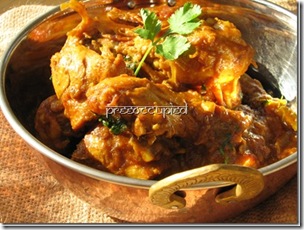
chicken Bengali Chicken Curry
Chicken Curry was almost looked down upon on special occasions in Bengali homes. It was either made to appease some non-Bengali guests or because the festivities were at the month-end, which meant the Bengali had spent all his salary eating like a King and could not afford the more expensive goat meat or fish.

doi

Bhapa Doi
The Bhapa Doi is another Durga Puja special, where this steamed yogurt would be part of an elaborate mishti mukh spread after a meal on Ashtami through Doshomi. Though I have a feeling its tough for this steamed version of sweet yogurt to compete with its traditional cousin, we call Miss Mishti Doi.

mach Macher Jhol
I am particularly fond of these two Macher Jhol I am going to share with you today. They will stump you with the simplicity and ease with which they are made. You will also reckon that both these versions are pretty similar, ingredient-wise. Except for the key difference – the main spice that distinguishes a jeerer (cumin) jhol from a shorse batar (mustard paste) jhol.

mutton

Mutton Curry
This Mutton Curry for all the time it takes to make is probably one of the most tasteful things you can make with meat. I have used goat meat in this recipe (which is how its made in India). But if don’t find goat meat, you can make it with lamb too.
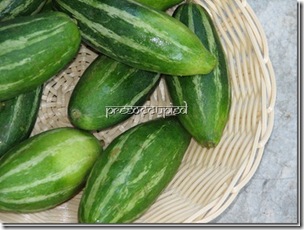
poto; Pôtoler Dorma
This is my Mum’s recipe and I haven’t changed anything. After all there is little scope of change when the recipe is just perfect. Whoever thought of stuffing Pôtol or Parwal or Pointed Gourdwith mince meat was obviously dealing with some very strict non-vegetarians.
 tom
Bengali Tomato Chutney
Traditionally, the Tomator Chaatney is served last in a typical Bengali meal, just before dessert. But I like to have it with my food. My favorite to go with Tomator Chaatney is hot khichudi with all its fanfare.

shorshe Shorshe Diye Chingri
There are no two ways of eating the Shōrsē Diye Chingri Maachh. It has to be eaten with steaming hot rice and yes, we did eat with our hands today.
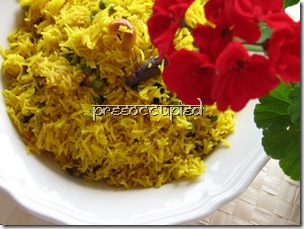
pulao Bengali Mishti Pulao
I do not fuss much (or experiment) when it comes to a traditional recipe by my Mum. And why should I, when I know its just perfect. Or maybe I am too old and entrenched to change. And change I brought with this very classic Bengali Sunday afternoon lunch – Mangsho ‘r Mishti Pulao, in the middle of the week on a Wednesday evening.

payesh Payesh
Payesh is a traditional Bengali dessert made of rice (Basmati or Gobindo Bhog) and milk, slow cooked with aromatic cardamoms and bay leaf and generous amounts of chopped nuts (cashews or almonds) and raisins. This dessert ought to be made with precision and timing…and patience! And if you don’t get it exact, the imbalance in consistency and sweetness will be very obvious.
kulfi

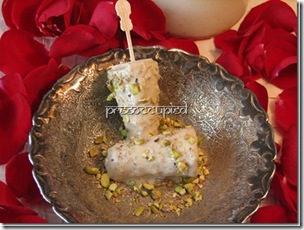
Pistachio Kulfi
Busy festive days need ridiculously easy dessert recipes, you’d agree! I am sharing with you your Mom’s star recipe of Pistachio Kulfis. Yes, your Mom and my Mum all make it the same way back home in India. Its these modern spice goddesses (pun most definitely intended!) who mix and mash milk, banana and bread (apparently for texture and thickness) and then call it Kulfi!

jhalmuri

Jhalmuri
Bengali cuisine is never complete without talking about Jhalmuri. Puffed rice has never been treated with so much respect and reverence, as it is in this anytime snack which has its origins in the streets of Bengal.

phuchka

Phuchka
Spicy, tangy, crunchy, and mouth-wateringly delicious. That’s phuchka for you. If you are not already overwhelmed by the cumulative taste quotient of this Indian (Bengal and Bihar) snack, I’d like to delve deeper into how I like to eat my phuchka. And yes, my post is all about phuchka and not gol gappa, paanipuri, gup-chup, pani bataasha or whatever other names it is known as in the other parts of India.

Okay, now that I have made myself at least sufficiently hungry, I am going to stop now. These are my personal favorites and I can eat them any day. I hope you enjoyed my little round up. More Bengali recipes and pictures can be found here.

Have a great New Year and lots of love.